Home
/ Grade 1 Anterolisthesis - Can One Avoid Surgery To Cure Grade 4 Anterolisthesis Of L5 S1 Region Dr Kodlady Surendra Shetty Youtube : Increasing grades denote worse slippage.
Grade 1 Anterolisthesis - Can One Avoid Surgery To Cure Grade 4 Anterolisthesis Of L5 S1 Region Dr Kodlady Surendra Shetty Youtube : Increasing grades denote worse slippage.
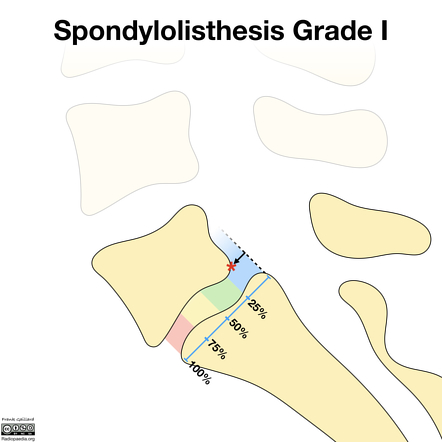
Grade 1 Anterolisthesis - Can One Avoid Surgery To Cure Grade 4 Anterolisthesis Of L5 S1 Region Dr Kodlady Surendra Shetty Youtube : Increasing grades denote worse slippage.. More specifically, the upper vertebral body slips forward on the one below. This refers to a less than 25% slippage of the l5 vertebra in relation to s1. The amount of slippage is graded on a scale from 1 to 4. Its severity can be graded by the meyerding classification and its etiology classified according to the wiltse classification. 0% to 25%, grade 2:
Grade 1 is the lowest grade and regarded as the least severe, although physical symptoms vary from person to person. A grade 1 anterolisthesis is when 25% of the vertebral body slips forward. Anterolisthesis symptoms will vary depending on how much slippage there was and which part of the spine occurred. Pediatric patients are more likely to increase anterolisthesis grade when going through puberty. Grade one and more the body weight is supported and the spinal cord is protected by the spine which is present from the bottom of the skull to the pelvis region.
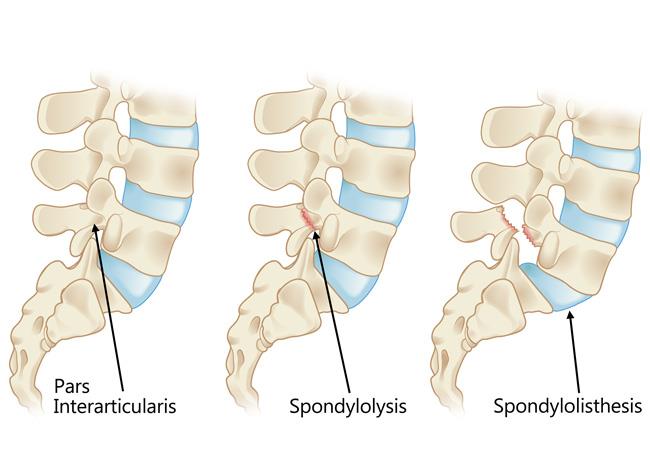
Spondylolisthesis Radiology Reference Article Radiopaedia Org from prod-images-static.radiopaedia.org While grade 1 is mild with less than 25% slippage, grade 4 is severe with greater than 75% slippage. There are four grades of slippage: In grade iv, the slippage is more than 75%; Type 1) results from congenital abnormalities of the upper sacral facets or inferior facets of the fifth lumbar vertebra, and accounts for 14% to 21% of all anterolisthesis. A closer look at a vertebra that has slipped forward. Anterolisthesis is categorized according to the level of slippage. Images showing anterolisthesis in various grade level. The symptoms of anterolisthesis can vary greatly depending on the grade and the area affected.
The amount of slippage is graded on a scale from 1 to 4.
A closer look at a vertebra that has slipped forward. A grade 1 anterolisthesis is when 25% of the vertebral body slips forward. Increasing grades denote worse slippage. The symptoms depend on factors including your overall health, where the slippage occurs, and which nerve tissues, spinal joints, and other tissues were. The symptoms of anterolisthesis can vary greatly depending on the grade and the area affected. In grade i1anterolisthesis, there is mild slippage that is less than 25%. Grade 1 is less than 25% slippage, while grade 4 is more severe (75% or more). Anterolisthesis symptoms will vary depending on how much slippage there was and which part of the spine occurred. Pediatric patients are more likely to increase anterolisthesis grade when going through puberty. This is basically another term for spondylolisthesis. So, the treatment may involve the following: Type 2) is caused by a defect in the pars interarticularis but it can also be seen with an elongated pars. 1 doctor answer • 5 doctors weighed in.
This refers to a less than 25% slippage of the l5 vertebra in relation to s1. In grade i1anterolisthesis, there is mild slippage that is less than 25%. 2 a study of dai l.y. The symptoms depend on factors including your overall health, where the slippage occurs, and which nerve tissues, spinal joints, and other tissues were. The symptoms of anterolisthesis can vary greatly depending on the grade and the area affected.
Degenerative Spondylolisthesis Spine Orthobullets from upload.orthobullets.com Pain is often the first symptom. Grade 1 is less than 25% slippage, while grade 4 is more severe (75% or more). Retrolisthesis grades just like spondylolisthesis, the seriousness of a retrolisthesis is graded from 1 to 4 based upon the percentage of posterior or backward displacement of the vertebral body's foramen or neuroforamen. Grade 1 anterolisthesis of l4 on l5 secondary to severe facet arthrosis resulting in severe central canal stenosis and the buckloing of the nerve roots superior to this level. In grade iv, the slippage is more than 75%; Analysed the correlation between disc degeneration and the age, duration and severity of clinical symptoms and grade of vertebral slip. It is usually from grade 1, which is the mildest form, to grade 4, which is the most severe form. Its severity can be graded by the meyerding classification and its etiology classified according to the wiltse classification.
The grade 1 and grade 2 slippages come under the mild category.
What are the symptoms of anterolisthesis? 0% to 25%, grade 2: Retrolisthesis grades just like spondylolisthesis, the seriousness of a retrolisthesis is graded from 1 to 4 based upon the percentage of posterior or backward displacement of the vertebral body's foramen or neuroforamen. This is basically another term for spondylolisthesis. Type 1) results from congenital abnormalities of the upper sacral facets or inferior facets of the fifth lumbar vertebra, and accounts for 14% to 21% of all anterolisthesis. In grade i1anterolisthesis, there is mild slippage that is less than 25%. This grading scale helps determine the severity of the condition and the treatment necessary. So, you will have only mild symptoms for the issue. 2 a study of dai l.y. Grade 1 anterolisthesis of l4 on l5 secondary to severe facet arthrosis resulting in severe central canal stenosis and the buckloing of the nerve roots superior to this level. There are four grades of slippage: Increasing grades denote worse slippage. Grade 1 anterolisthesis the grading and classification of anterolisthesis is based not on the severity of the symptoms experienced but quite simply on the amount of movement of one vertebra with regard to its adjacent neighbour.
Retrolisthesis grades just like spondylolisthesis, the seriousness of a retrolisthesis is graded from 1 to 4 based upon the percentage of posterior or backward displacement of the vertebral body's foramen or neuroforamen. It is good for mild cases as the complete rest will. Type 1) results from congenital abnormalities of the upper sacral facets or inferior facets of the fifth lumbar vertebra, and accounts for 14% to 21% of all anterolisthesis. A grade 1 anterolisthesis is when 25% of the vertebral body slips forward. What are the symptoms of anterolisthesis?
Spondylolysis And Spondylolisthesis Orthoinfo Aaos from orthoinfo.aaos.org This is basically another term for spondylolisthesis. While grade 1 is mild with less than 25% slippage, grade 4 is severe with greater than 75% slippage. 26% to 50%, grade 3: There are four grades of slippage: Grade 1 is mild (20% slippage), while grade 4 is severe (100% slippage). The symptoms of anterolisthesis can vary greatly depending on the grade and the area affected. What is grade 1 anterolisthesis? 1 doctor answer • 5 doctors weighed in.
It is usually from grade 1, which is the mildest form, to grade 4, which is the most severe form.
In grade iii, the slippage is more than 50% but less that 75%. In grade iv, the slippage is more than 75%; It is good for mild cases as the complete rest will. Pediatric patients are more likely to increase anterolisthesis grade when going through puberty. Increasing grades denote worse slippage. Once the diagnosis is confirmed, the next step is to determine the severity of the damage using an anterolisthesis grading scale as follows: One commonly used description grades spondylolisthesis, with grade 1 being least advanced, and grade 5 being most advanced. What are the symptoms of anterolisthesis? 26% to 50%, grade 3: The amount of slippage is graded on a scale from 1 to 4. So, you will have only mild symptoms for the issue. The grade of a retrolisthesis is crucial to evaluating the stability of the adjacent facet joint. Analysed the correlation between disc degeneration and the age, duration and severity of clinical symptoms and grade of vertebral slip.